
Table of Contents
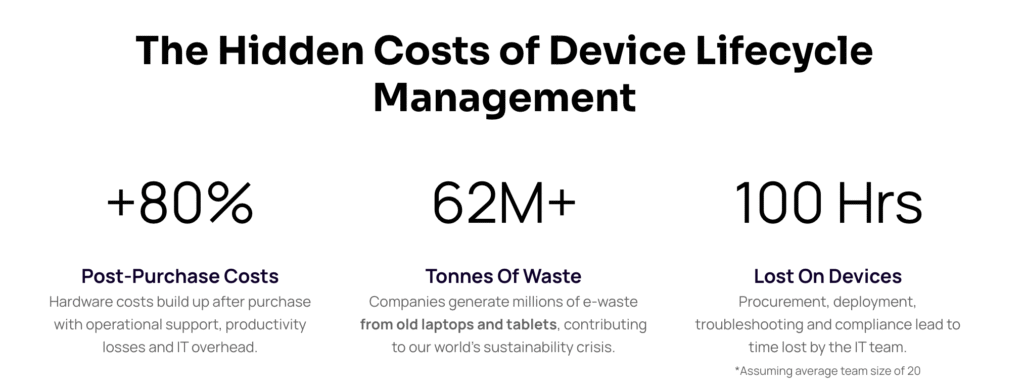
Singapore’s e‑waste problem is growing fast. With one of the highest smartphone and device penetration rates in the world, devices are being replaced every 24 months—or sooner—even when they are still perfectly usable.
The result is a widening gap between how long devices could last and how long they actually stay in use.
At Cinch, we believe the solution isn’t encouraging people to buy less technology—it’s redesigning how technology is accessed. An access‑first, circular device economy keeps devices in circulation longer, reduces e‑waste, and supports more sustainable growth for consumers and businesses alike.
The State of E‑Waste in Singapore
Singapore generates some of the highest levels of e‑waste per capita globally. Rapid upgrade cycles, bundled telco contracts, and ownership‑based device models have made frequent replacement the norm.
Today:
An estimated 2.9 million electronic devices in Singapore are out of circulation, often left unused in drawers or storage.
Average smartphones are used for just 2–3 years, despite being capable of lasting far longer.
Many consumers are unsure how—or where—to recycle devices properly, leading to low recovery rates.
This isn’t just an environmental issue. It represents a massive loss of economic value locked away in unused hardware.
Why Traditional Device Ownership Drives Waste
The conventional buy‑and‑upgrade model creates structural waste:
Devices are purchased outright, even when usage needs are temporary
Upgrade cycles are tied to contracts, not actual device condition
End‑of‑life responsibility falls entirely on the user
As a result, devices exit circulation early—not because they’re broken, but because the model encourages replacement over reuse.
The Circular Device Economy Explained
A circular device economy focuses on keeping devices in use for as long as possible through reuse, refurbishment, and responsible recycling.
Instead of treating devices as disposable assets, circular models design for:
Planned return and recovery
Multiple users across a single device lifecycle
Refurbishment before replacement
This approach dramatically reduces the need for new manufacturing while lowering e‑waste at the system level.
How Device Subscriptions Reduce E‑Waste
Device subscription models are one of the most effective enablers of a circular device economy.
At Cinch:
Devices are returned at the end of each subscription, not discarded
Returned devices are refurbished and redeployed wherever possible
Devices that cannot be reused are responsibly recycled
By design, a single device can support multiple users over its lifetime, extending usable life from an industry average of ~2.5 years to up to 5 years.
In practice:
Over 90% of Cinch devices re‑enter circulation after their first use
Fewer new devices need to be manufactured
Material extraction, logistics emissions, and landfill waste are significantly reduced
Sustainability isn’t an add‑on—it’s embedded directly into the operating model.
Sustainable Growth Through Access, Not Excess
Growth in technology has long been measured by volume: more sales, more upgrades, more devices in market.
But volume‑led growth creates fragility, excess inventory, wasted capital, and rising environmental cost.
An access‑first device model enforces discipline:
Growth depends on devices returning
Operational efficiency matters more than one‑time sales
Long‑term unit economics replace short‑term wins
This kind of growth may appear slower, but it is far more resilient—and far more sustainable.
Are Consumers Ready for Circular Device Models?
Research shows that many Singapore consumers care deeply about sustainability and are open to refurbished devices.
What holds adoption back isn’t values—it’s convenience and cost. Device subscriptions remove both barriers:
No large upfront payment
No resale or depreciation risk
No uncertainty around disposal
By making sustainability effortless, circular access models align environmental impact with everyday behaviour.
The Future of Technology in Singapore
Singapore doesn’t need more devices. It needs better device circulation.
A circular device economy enables:
Lower e‑waste generation
Longer, more productive device lifecycles
Greater flexibility for consumers and businesses
Building for access—not excess—is how technology can scale responsibly in Singapore.
At Cinch, our goal isn’t to sell more hardware. It’s to ensure the devices already in circulation last longer, work harder, and create less waste along the way.